Construction & Infrastructure
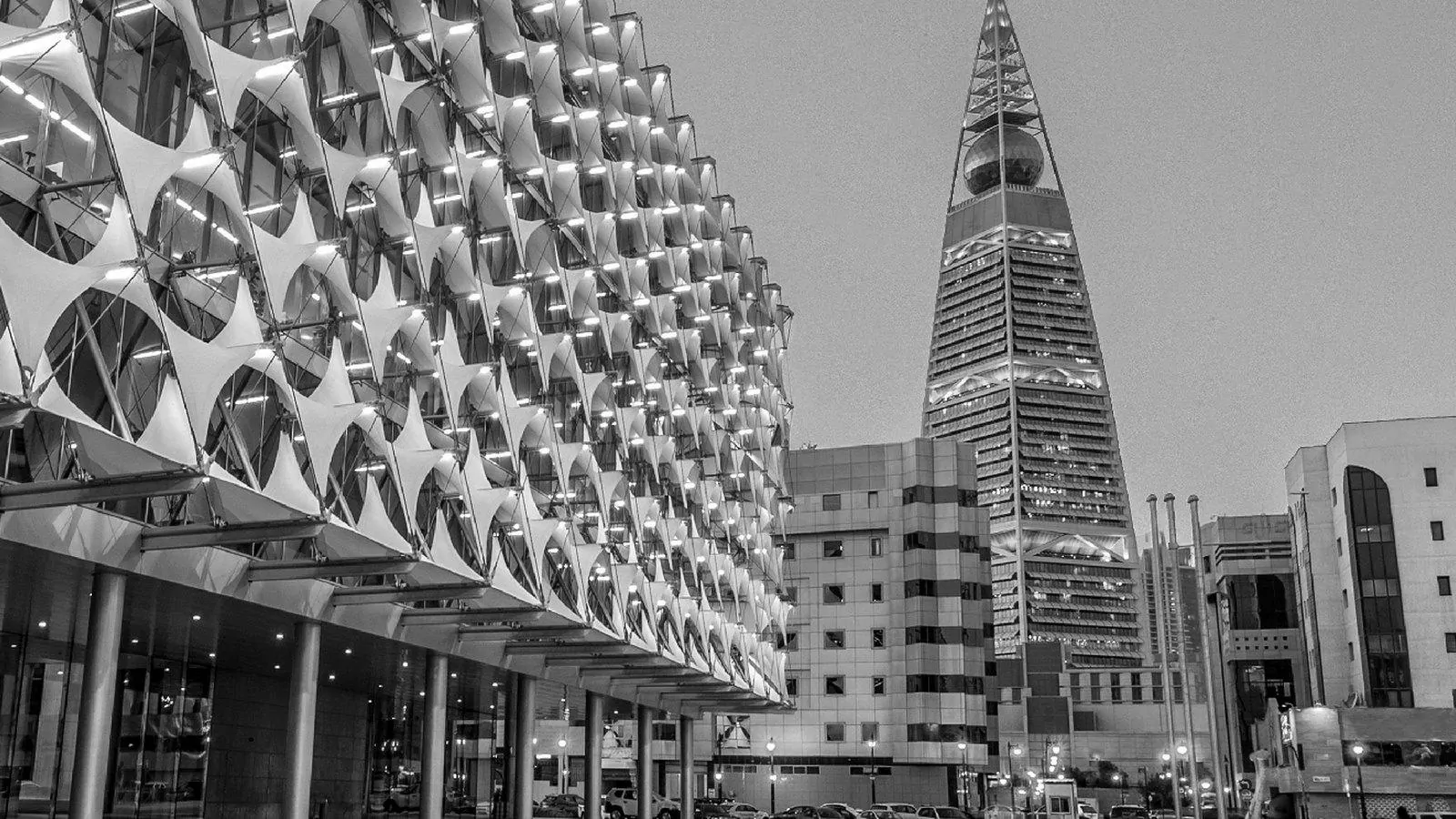
Residential and commercial projects, steel structures, bridges and water and sanitation works.
- Residential & Commercial Projects
- Steel Structures
- Water and Sanitation
- Fencing
Why Choose Us
From the sectors we supply to the way every bar is rolled and tested — and what happens to steel long after it leaves us.
Applications
Steel bars are widely used for general fabrication works, repairs in industrial maintenance and transportation equipment. These are the sectors our sections are specified into every day.
Residential and commercial projects, steel structures, bridges and water and sanitation works.
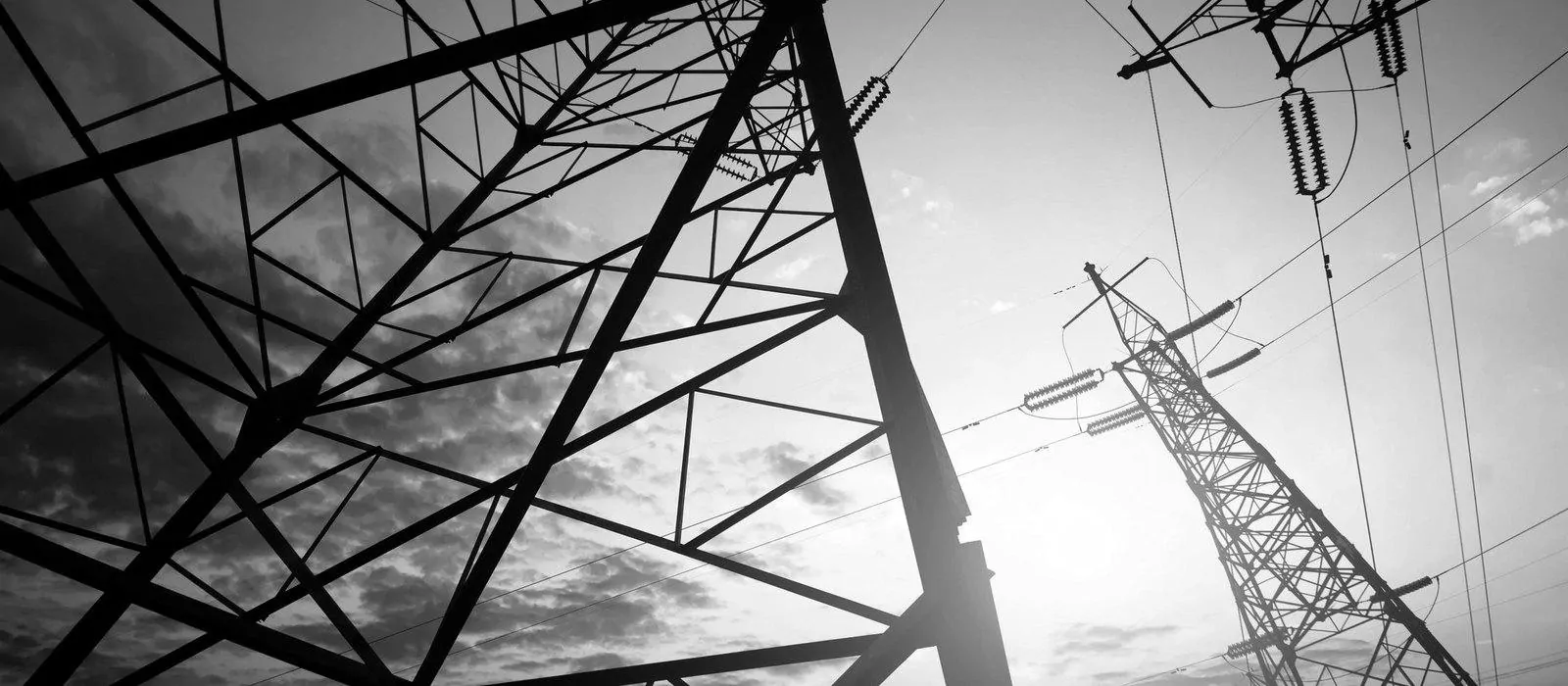
Transmission towers, industrial plants, and oil, gas and petrochemical facilities across the Kingdom.
Engineering and automotive work, transportation equipment, furniture and general steel fabrication.
Major steel traders and stockists across Saudi Arabia and the GCC.
Manufacturers who take our sections directly into their production lines.
Main and sub-contractors on residential, commercial and industrial projects.
Metal fabricators and workshops cutting and forming to their own drawings.
Manufacturing
Our section rolling factory at Al Kharj Industrial City turns procured billets into finished structural sections, with production indicators reviewed every week.
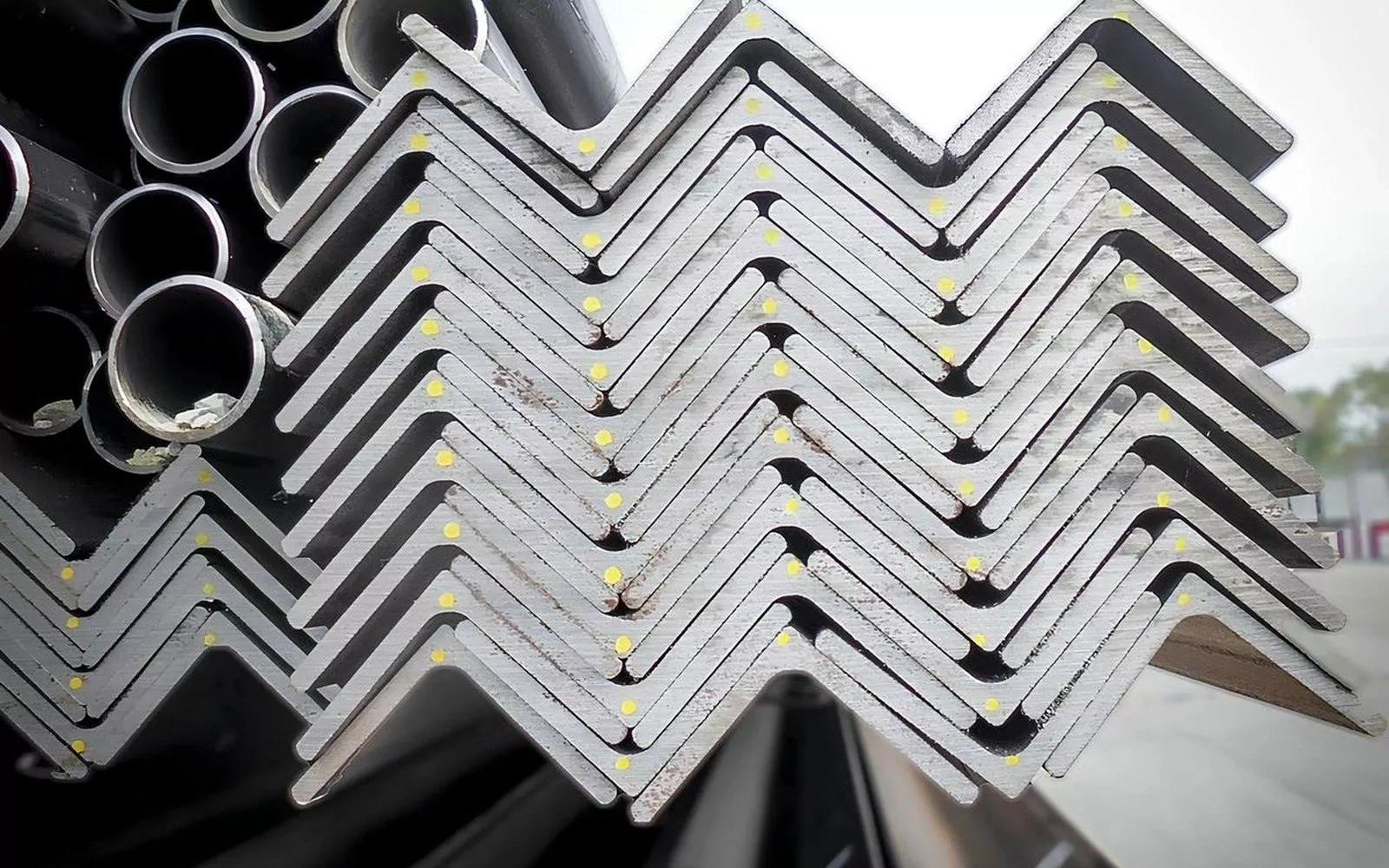
Alinma Steel started in Riyadh in 2013 with a small rolling factory producing angle, flat, round and square bars at 10,000 tons per annum.
Today our section rolling factory at Al Kharj Industrial City runs at a production capacity of 75,000 tons per annum, staffed by more than 100 engineers and technical personnel.
To retain its position as a leading Saudi manufacturer and supplier, Alinma Steel uses high quality steel billets procured both locally and internationally. Every heat is rolled to the ASTM A36 structural carbon steel standard.
Billets are loaded into the furnace.
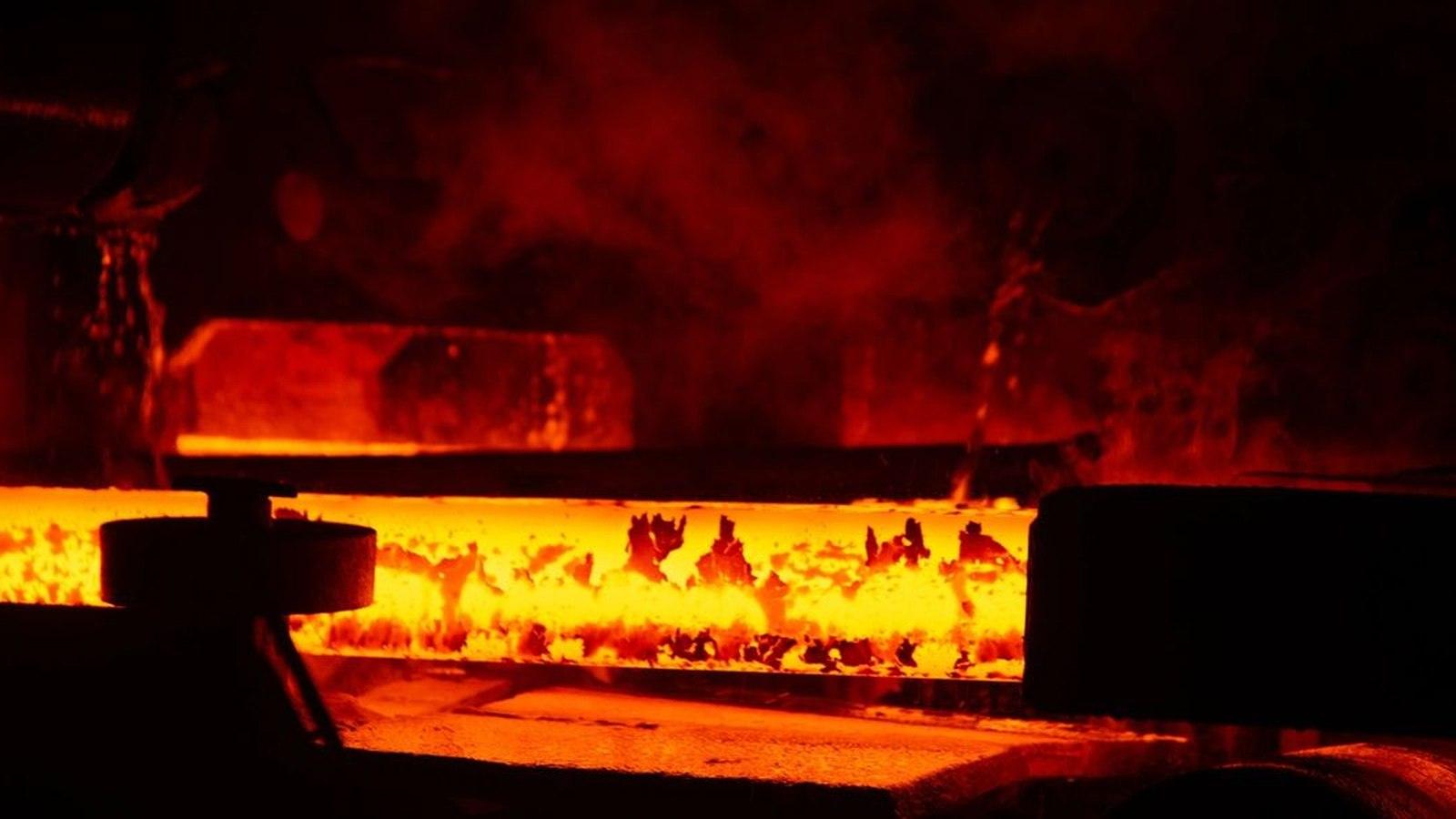
Billets are required to reach a minimum temperature of 1200 degrees Celsius. After which, the hot billets are pushed out of the furnace.
The hot billet passes through rolling stands to form bars of desired shape and size.
The bars are air-cooled on the cooling bed.
The cooled bars are cut into commercial lengths from 6 meters up to 12 meters.
The bars run through the machine in a rotating manner and are bent tens of times to achieve the desired straightness, ensuring top quality of our steel products.
The commercial bars are counted precisely to form uniform bundles. The bundles are machine strapped to secure tight wrapping. The wrapped bundles are weighed and tagged.
Quality
Our products are extensively tested to observe the highest quality standards and produce exemplary steel bars. In order to retain its position as a leading Saudi manufacturer and supplier, Alinma Steel uses high quality steel billets procured both locally and internationally.
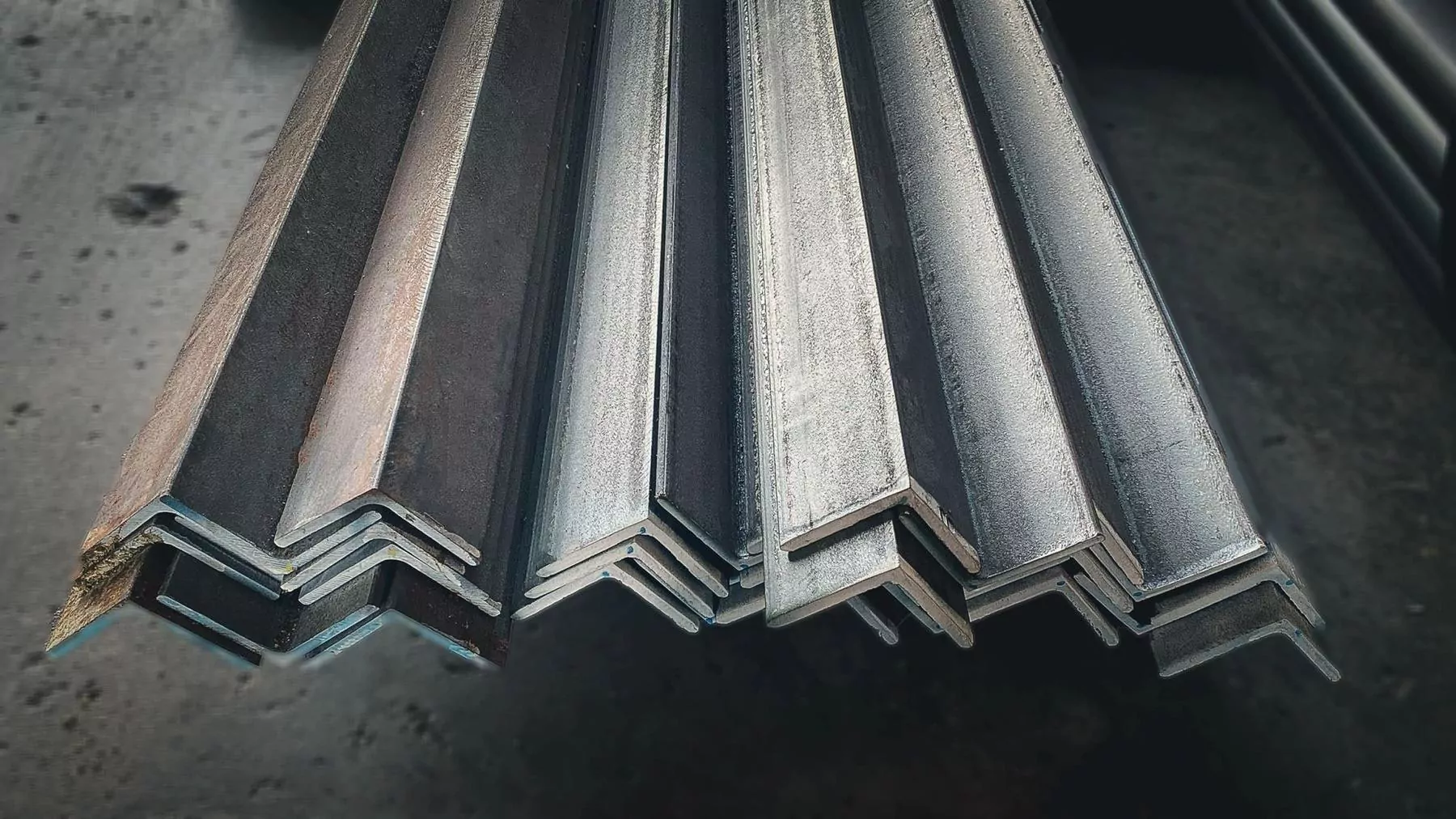
Quality is not an act, it is a habit.
Every section is produced to the ASTM A36 standard for structural carbon steel as our default grade, and we roll to a customer's own specified grade on request.
Key performance and production indicators are monitored every week, with strategies adjusted as needed.
A certified producer of hot rolled mild steel bars, manufactured in the Kingdom for the Kingdom and the wider GCC.
Steel is one of the most recycled materials in the world — every second, 15 tonnes of steel are recycled globally.
Sustainability
Steel is infinitely recyclable and is one of the most recycled products in the world. Every second, 15 tonnes of steel are recycled globally.
Steel is North America's most recycled material — ahead of paper, aluminium, glass and plastic combined.
Used steel can be stored, melted and re-used for more than 150 years without loss of quality.
Steel can be recycled again and again into new products with no degradation of its properties.
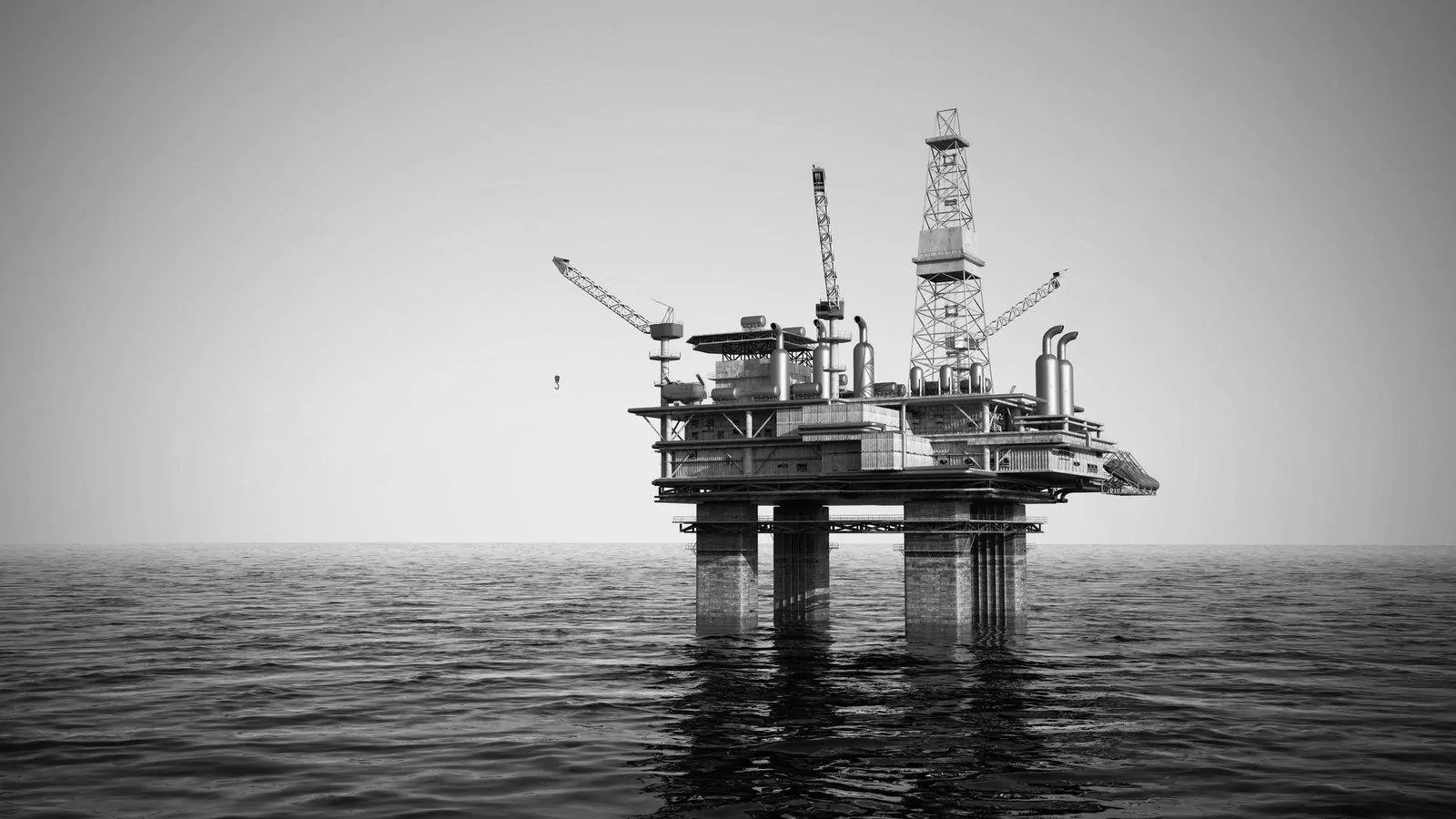
During the recycling process, steel does not lose any of the properties that make it attractive in the first place. Recycled steel is cheaper to recycle than to mine and produce primary steel.
Using recycled steel to enhance production also saves energy: it is less energy-intensive to re-use steel than to create it from raw ore. The most commonly recycled items are containers, cans, cars, appliances and construction materials.
Steel is a highly technical material that is constantly being reinvented. Today's lightweight steels for the automotive industry help cut carbon emissions, and are just one example. Modern steel is also more durable thanks to successful research into corrosion resistance, while metallic and organic coatings enhance steel's aesthetic appeal.